
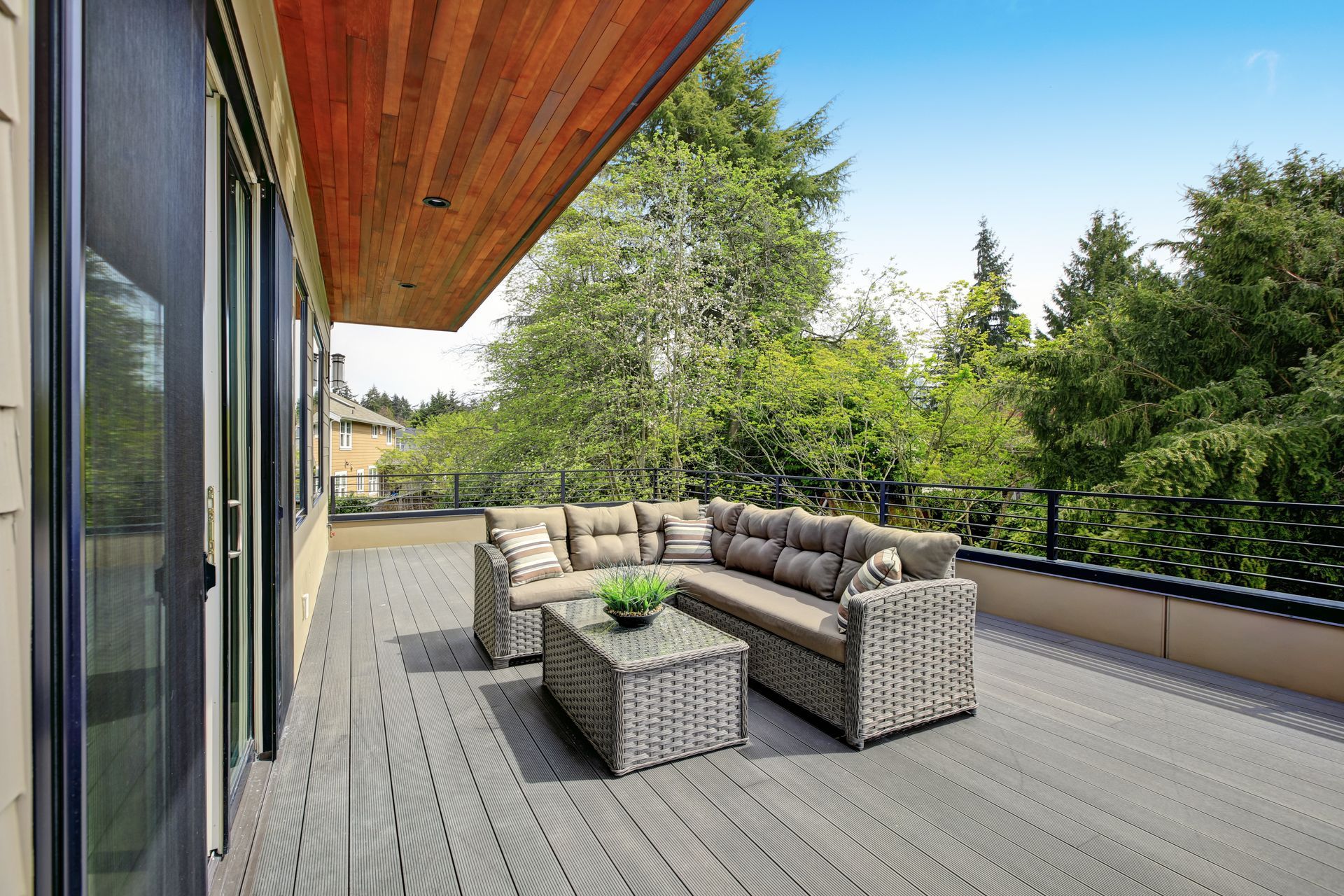
Outdoor Spaces That Extend Usable Living Area
Porches in Nashville for properties lacking covered outdoor gathering areas
Nashville's climate allows outdoor use most of the year, but unprotected spaces limit when you can sit outside comfortably. Stewart Home Remodeling builds and remodels porches that provide weather protection while connecting indoor living areas to yard spaces. New construction adds covered square footage where none exists, while remodeling updates deteriorating structures with sagging floors, rotted posts, or inadequate drainage that sends water back toward the foundation.
Porch projects involve foundation or footing installation, framing to support roof loads, decking that handles moisture cycles, and railing systems that meet code height and spacing requirements. Roof pitch and gutter placement prevent water from pooling or splashing onto seating areas during storms.
Request a site evaluation to determine foundation requirements and discuss railing styles that match your home's architecture.
What Changes After Porch Construction Completes
Proper porch construction accounts for Tennessee's freeze-thaw cycles by setting footings below frost line to prevent seasonal heaving that cracks posts loose from supports. Joist spacing is determined by decking material choice, with composite requiring closer centers than traditional lumber to prevent bounce. Flashing integration where the roof ties into existing siding stops water intrusion that rots wall cavities invisibly for years before interior damage becomes obvious.
Once finished, you use the space during light rain without water blowing onto seating, because roof overhang extends far enough and soffit ventilation prevents moisture buildup. Deck boards remain level across the span without developing dips or humps, since joists are crowned correctly during framing. Steps land at comfortable intervals that don't force awkward stride adjustments, following riser and tread ratios that match natural walking patterns.
Remodeling existing porches often reveals hidden damage where posts contact decking, requiring sistered joists or blocking before new materials go down. Screen options can be added during initial construction or later, though planning for them upfront simplifies framing by positioning supports at panel intervals.
Answers to Frequent Service Questions
Porch projects generate questions about structural needs, material durability, and local weather considerations before construction starts.
What foundation type works best for porch additions?
Pier and beam foundations allow airflow underneath that reduces moisture accumulation, critical in Nashville's humid summers where trapped moisture accelerates wood decay.
How does roof connection affect the existing house structure?
Ledger boards must attach to wall studs or blocking, not just siding or sheathing, and require waterproof flashing that integrates with the existing weather barrier to prevent leaks.
When should composite decking be chosen over wood?
Composite eliminates seasonal expansion, contraction, and splintering, though it costs more upfront and can retain heat on south-facing porches during summer months.
Why do porch floors slope slightly away from the house?
A quarter-inch drop per four feet prevents water from pooling against the foundation during wind-driven rain, directing runoff toward gutters or grade instead.
What railing height meets current building codes?
Residential porches require railings at thirty-six inches minimum when the deck surface sits more than thirty inches above grade, with baluster spacing under four inches to prevent child passage.
Stewart Home Remodeling completes porch builds and remodels that hold up to weather exposure while expanding your functional outdoor living area. Arrange a consultation to discuss size, layout, and material options suited to your property and intended use.